
A Cry for Help: When Childhood is Stolen in Silence

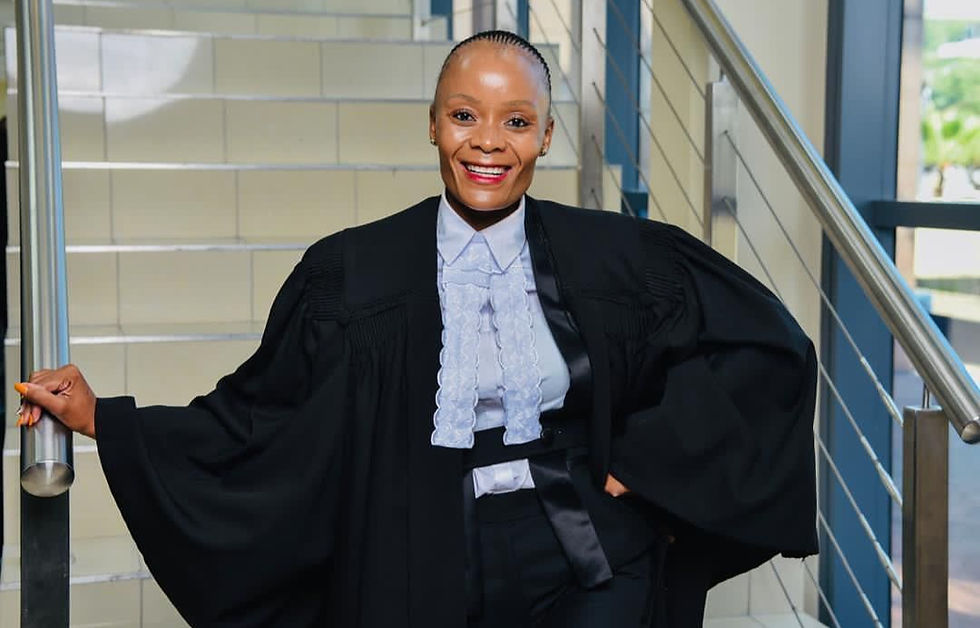
By Tshepho Thedi
LLM Multi-Disciplinary Human Rights
Senior Magistrate, Botswana Court
She is eight years old.
She should be worrying about homework, playing in the yard, or laughing with her friends. Instead, she wakes up every morning with a quiet fear she cannot name. A fear that lives in her body, in her silence, in the way she avoids eye contact when certain people enter the room.
No one notices.
Or perhaps, no one wants to.
In many homes across Africa, children are carrying secrets far too heavy for their small shoulders. The rise in sexual abuse of young children is not just a statistic buried in reports — it is a lived reality, unfolding behind closed doors, in familiar spaces, often at the hands of those entrusted to protect them.
This is not just a criminal issue.
It is a human rights crisis.
The Violence We Refuse to See
Child sexual abuse is not always loud. It does not always leave visible scars. It hides in silence, in threats, in manipulation, and in the painful confusion of a child who does not yet have the language to say, “This is wrong.”
The perpetrator is rarely a stranger.
He is the uncle. The neighbour. The stepfather. The trusted family friend.
And when the truth begins to surface, it is often buried again — by fear, by shame, by a culture that sometimes prioritises reputation over justice.
“Do not talk about it.”
“You will destroy the family.”
“No one will believe you.”
And so the child learns the most dangerous lesson of all: suffering in silence is safer than speaking the truth.
A Violation Beyond the Body
When a child is sexually abused, what is taken is not only their bodily autonomy — it is their dignity, their sense of safety, their trust in the world.
This is why child sexual abuse is not merely a moral or social issue. It is a gross violation of human rights.
Every child has the right to be protected from harm, grow in dignity and safety, be heard and believed, and live free from violence and exploitation.
Yet for many children, these rights exist only on paper.
The System That Fails Them
Even when cases are reported, justice is often slow, painful, and retraumatising.
Children are forced to repeat their stories.
Cases drag on for months or years.
Families withdraw complaints under pressure.
And in some cases, perpetrators walk free — not because they are innocent, but because the system is not strong enough to protect the vulnerable.
A system that cannot protect a child is a system in crisis.
The Silence is Our Complicity
We like to believe that abuse happens somewhere else. That it is rare. That it is exaggerated.
It is not.
The uncomfortable truth is that we are surrounded by children who are hurting, and too often, we choose not to see them.
Silence is not neutral. Silence protects the abuser.
A Call to Conscience
This is a cry for help — not just from the children, but from our collective humanity.
We must listen to children, believe them, strengthen our systems, and break the culture of silence.
Because protection does not begin in courtrooms. It begins in conversations.
Let Children Be Children
That eight-year-old girl is still there.
She is still waiting — for someone to notice, to ask, to listen, to act.
She does not need pity.
She needs protection. She needs justice. She needs us.
Until every child in Africa can grow without fear, our work is not done.




Comments